Still Paying for That? The Real Cost of Subscriptions You Keep 'Just in Case'
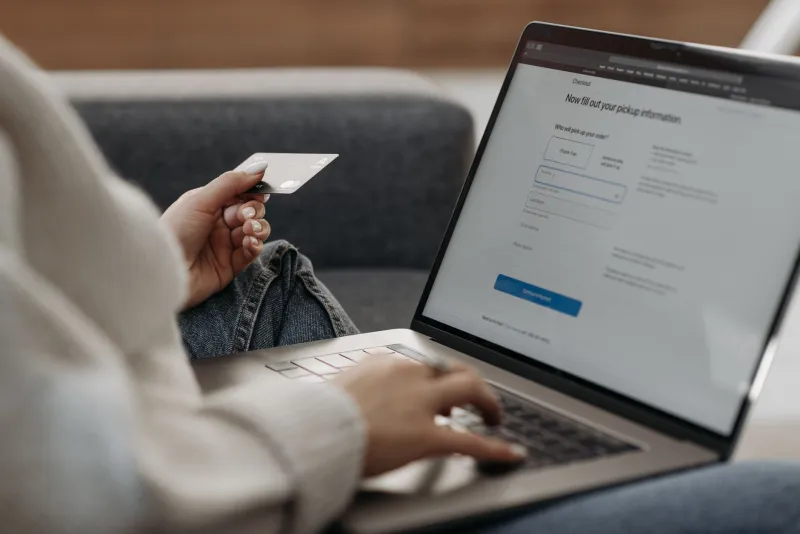
There's a specific kind of denial that lives inside your bank statement. It shows up every month, quietly, between your phone bill and your gym membership. It's that streaming service you haven't touched since last spring — the one you signed up for to watch one show, finished it in a week, and then just... kept. Because maybe. Because someday. Because what if they add something good?
Welcome to the streaming guilt tax. You're probably paying it right now.
The Subscription Hoarding Epidemic Is Very Real
According to a 2023 report from Antenna, a subscription analytics firm, the average American household juggles between four and five paid streaming services at any given time. That sounds manageable until you factor in actual usage. Research from Deloitte found that roughly 40% of subscribers feel they're paying for services they don't use enough to justify the cost — and yet, most of them don't cancel.
Why not? That's the more interesting question.
Part of it is friction. Canceling a subscription takes effort — finding the settings page, clicking through the "are you sure?" prompts, mentally committing to the idea that you're actually done. Streaming platforms are not accidentally bad at making this easy. The other part is something psychologists call loss aversion. The moment you cancel, you lose access. And even if you weren't using it, the possibility of using it felt like value. Cancel it, and that possibility disappears. Your brain doesn't like that, even when your wallet should.
There's also the sunk cost trap. You've already paid for three months. Canceling now feels like admitting those months were wasted. So you pay a fourth month to feel better about the first three. And then a fifth. The guilt compounds.
What 'Just in Case' Actually Costs You
Let's do some actual math, because this is a money story as much as a psychology one.
Say you're holding onto four services you use regularly and two that are more "aspirational." At current pricing, those aspirational subscriptions might run you $10–$18 each per month. Call it $28 combined. That's $336 a year for content you're not watching.
Now multiply that across the roughly 125 million US households that subscribe to at least one streaming platform. Even if only a fraction of them are sitting on one unused service, the collective waste runs into the billions of dollars annually. The platforms know this. It's baked into their business models. Passive subscribers — people who pay but don't watch — are pure margin.
You are not getting a good deal here. The platform is.
The Psychology Behind Keeping What You Don't Use
Streaming services are specifically engineered to feel like they're always on the verge of being worth it. There's always a new season coming. A buzzed-about documentary dropping next month. A show everyone at work is talking about that you told yourself you'd get to eventually.
This is called anticipated utility — the value you expect to get from something in the future, which feels almost as satisfying as actually getting it. When Netflix adds a show to your watchlist, your brain registers a small reward. You haven't watched it. You might never watch it. But the option exists, and that option has emotional weight.
Streaming platforms reinforce this constantly. Push notifications, "new arrivals" emails, curated recommendation rows — all of it is designed to remind you that there's always something just around the corner. The service isn't just selling you content. It's selling you the feeling of being on the edge of something good.
Once you see it, you can't unsee it.
How to Actually Audit Your Streaming Stack
Here's the part where we get practical. Auditing your subscriptions doesn't have to be a dramatic life overhaul. It just requires asking a few honest questions — and actually answering them.
Step 1: Pull up your bank or credit card statement. List every streaming charge from the last 60 days. Don't guess. Look at the actual line items. Many people are surprised to find services they forgot they even signed up for.
Step 2: For each service, ask: when did I last open this app? Not "when did I think about opening it" — when did you actually hit play on something? If you can't remember without checking your watch history, that's your answer.
Step 3: Run the "three show test." Can you name three shows or movies on this platform that you genuinely want to watch right now — not eventually, right now? If you can, it earns another month. If you can't, it's a candidate for the chopping block.
Step 4: Consider the rotation model. You don't have to cancel forever. One of the smartest moves in streaming is cycling services in and out. Subscribe to Hulu for two months, burn through what you want, cancel, rotate in Paramount+ for a month, come back to Hulu later. This is exactly what the platforms don't want you to do — which is a pretty good sign it's the right strategy.
Step 5: Kill the guilt. Canceling a subscription is not a moral failure. It's not a commitment you're breaking. It's a financial decision you're making with your eyes open. The show will still be there if you come back. And if it's not, you probably weren't going to watch it anyway.
The Decision Tree (Simplified)
If you want a faster filter, here it is:
- Opened the app in the last 30 days? → Keep it for now.
- Can name 3+ things you want to watch? → Keep it for now.
- Paying for it because of one show you already finished? → Cancel.
- Keeping it because you "might" use it someday? → Cancel.
- Sharing it with someone who uses it more than you? → Have a conversation.
- On a promotional rate that's about to expire? → Evaluate before the price jumps.
Simple. Not painless, but simple.
Turn It Off and Take Back the Control
The whole point of on-demand streaming was supposed to be freedom — watch what you want, when you want, and stop when you're done. Somewhere along the way, that flipped. Now a lot of us are locked into monthly charges for services we feel vaguely obligated to, watching content we're not that excited about because we're trying to "get our money's worth."
That's not freedom. That's a different kind of cable bill with better UI.
The off button exists for a reason. Use it on the shows you're not enjoying. Use it on the subscriptions that aren't pulling their weight. Your streaming life should be a curated, intentional thing — not a pile of recurring charges that quietly drain your account while you stare at a loading screen wondering why nothing sounds good.
Audit the stack. Cut what doesn't earn its spot. Come back when something's worth coming back for. That's the move.