Delete the App, Not Just the Account: Why Uninstalling Changes Everything
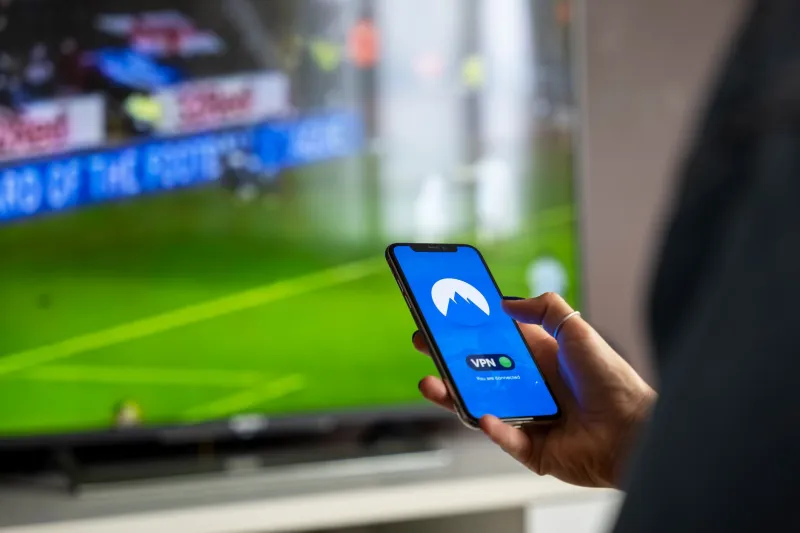
You canceled the subscription. You did the responsible thing. You went into the settings, navigated through three confusing menus, and pulled the plug. Congrats — that's genuinely more than most people do.
But here's the thing: the app is still on your phone. Or your TV. Or your tablet. Maybe all three.
And every time you scroll past that little logo, something happens in your brain. A small, quiet voice whispers, should I resubscribe? Or worse — am I missing something? That's not nothing. That's the app still living rent-free in your head, even though it's technically out of your wallet.
Canceling is step one. Deleting is the move that actually frees you.
The App You Don't Use Is Still Using You
There's a concept in behavioral psychology called the mere exposure effect — basically, the more you see something, the more you tend to feel positively toward it. Streaming platforms know this. It's part of why they send you emails, push notifications, and those eerily specific "we think you'd love this" suggestions even after you've canceled.
But even without the notifications, the icon alone does work on you. It's a little billboard on your home screen advertising a service you're not paying for — and subtly nudging you to reconsider that decision. Every. Single. Day.
Keeping a dormant app installed is kind of like keeping your ex's number in your contacts "just in case." You're not calling them. But you're also not fully moving on.
The Difference Between Pausing and Purging
Let's be honest about the difference here, because it matters.
Pausing a subscription (or canceling with the intention to come back) is a legitimate strategy. We've talked about that before — the seasonal approach to streaming, rotating services based on what's actually dropping. Smart stuff.
But keeping the app installed while you're not subscribed is a different energy. It's not a strategy. It's hesitation dressed up as convenience. You're telling yourself you're being practical — I'll just reinstall when I need it — while also leaving the door cracked open in a way that invites passive drift back toward a paid tier.
Deleting the app closes that door. Not forever. Just until you decide to open it again. That's the whole point.
So Which Apps Actually Deserve to Stay?
Not every streaming app needs to go. This isn't a scorched-earth situation. The goal is intentionality — knowing which services have genuinely earned their spot on your device versus which ones are just squatting.
Here's a simple framework for figuring that out:
Keep it installed if:
- You use it at least a few times a week
- It's your household's primary streaming hub (think: the service everyone defaults to on movie night)
- You're actively mid-season on something and plan to finish it soon
- It's bundled into something else you're already paying for, like a phone plan or internet package
Delete it if:
- You finished the one show you signed up for and haven't opened it since
- You canceled more than two weeks ago and the icon is just vibing there
- You can't remember the last time you actually hit play on it
- You feel vaguely guilty every time you see it
That last one is worth paying attention to. Guilt is data. If an app makes you feel bad just by existing on your screen, that's the app telling you something.
The Reinstall Is Not a Big Deal — Seriously
One of the biggest reasons people resist deleting apps is the friction of reinstalling. Which is wild, because reinstalling a streaming app takes about 45 seconds on any modern device. The shows are still there. Your watchlist is still there. Your login is still saved in your password manager (or in that notes app you definitely use for this).
The streaming platforms have made it genuinely easy to come back. That's by design — they want the barrier to re-entry to be basically zero. So you might as well use that to your advantage. Delete freely. Reinstall intentionally.
Think of it like a library instead of a storage unit. You don't keep every book you've ever checked out sitting in your living room. You return it, and when you want it again, you go get it. The library doesn't close just because you left.
What a Leaner Home Screen Actually Does for You
Here's the underrated upside of doing a full streaming purge on your devices: it changes how you watch.
When you open your TV or phone and you only see the services you're actively subscribed to and actually using, the decision of what to watch gets simpler. There's no phantom library of "I could resubscribe" options cluttering your mental bandwidth. You just see what's available, pick something, and watch it.
That sounds small, but decision fatigue is real. The average American spends nearly 18 minutes just deciding what to watch before giving up or defaulting to a rewatch. A cleaner app situation doesn't solve all of that, but it removes one layer of noise.
You're also less likely to impulse-resubscribe at 10pm on a Tuesday when you're bored and the app is already right there. Removing the app adds just enough friction to turn a passive habit into an active choice.
How to Actually Do the Purge
If you're ready to clean house, here's a low-effort approach that doesn't require a whole afternoon:
- Pull up your subscriptions. Check your Apple ID, Google Play, Roku, or wherever you manage billing. Get a clear picture of what you're actually paying for right now.
- Compare that list to your apps. Anything installed that isn't on the active subscription list? Gone.
- For active subscriptions, be honest. When did you last open it? If it's been more than three weeks, ask yourself if it's really earning its spot.
- Delete without ceremony. You're not breaking up with anyone. You're just tidying up.
- Set a calendar reminder if it helps. In 30 or 60 days, check in. If you haven't reinstalled something, you probably didn't miss it.
On and Off — On Your Terms
The whole idea behind how we watch TV in 2025 is supposed to be freedom. Stream it when you want it, skip it when you don't. That's the promise.
But a home screen full of dormant streaming apps is the opposite of that. It's a bunch of services all quietly asking for your attention, your reconsideration, your money — even the ones you already said no to.
Deleting the app is just enforcing the "off" part of that deal. You're not closing yourself off from great content. You're just making sure that when you turn something on, it's because you chose to — not because the icon was there and the moment felt weak.
That's not deprivation. That's control. And honestly? It feels better than you'd think.